Choose life. Choose daily ice baths. Choose lion’s mane, creatine, vitamin D and magnesium supplements. Choose meditation and breathwork. Choose learning a new language by being pestered by a fucking owl. Choose vegan, keto, gluten-free, carnivore, fruitarian. Choose pissing it away at the end of it all, still the confused, inadequate, death-denying mortal you always were.
Is probably how Renton would describe the fad-laden self-improvement mindset. As platformed by many modern gurus (see: Huberman, Rogan, Ferris and Williamson), the internet is ablaze with endless habits and practices promising personal transformation.
James Clear’s “Atomic Habits” is a cool book that centres on two ideas: (1) it analyses habits through a butterfly-effect lens, and (2) habits should be adopted on an identity basis rather than outcome-oriented approach. When turning down a cigarette, you’re voting for being a healthy person, with these votes accumulating over time. The thesis is elegant: adopt small habitual changes that foster you becoming the person you want to be.
Throughout my time on the Appalachian Trail I compiled a list entitled, “It would be cool to…”. Though I hadn’t read Clear’s work then, my motivation aligned with his thinking: if I adopt and cultivate these habits and practices, I will be voting for the person I want to be. Compiled from many sources – podcasts, brothers, friends, companions, strangers, books and films – I have worked in the 18 months since to incorporate many into my life.
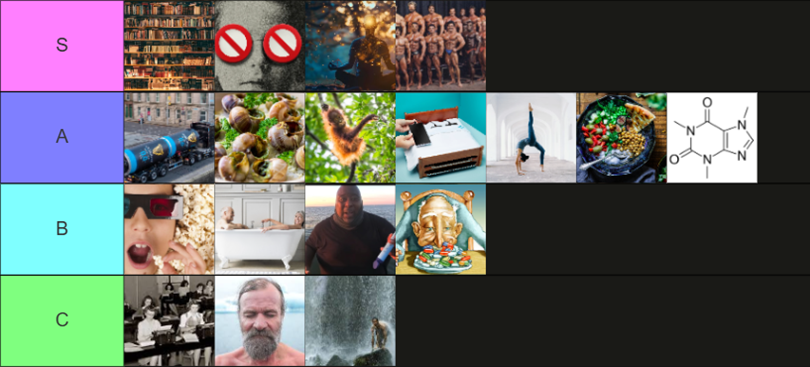
As the New Year approaches and people begin to make resolutions, I thought it both fun and interesting to share my experiences. Graded from S (indispensable, revelatory) to C (just nice), the following charts them from the life-changing to the merely life-adjacent.
~~~
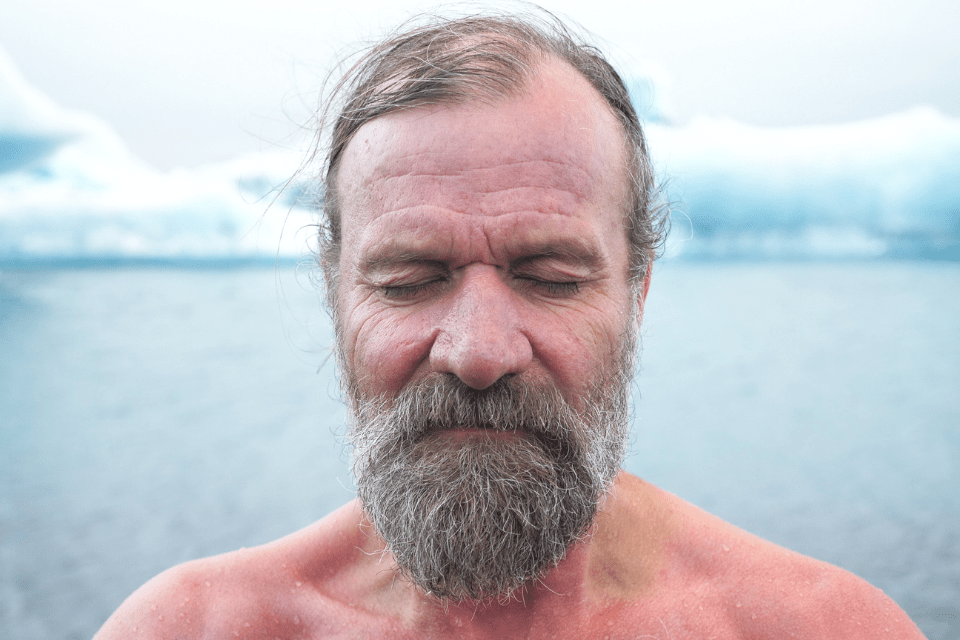
Wim Hof Breathwork – C
Time adopted: Three years, most days
Hyper-ventilation, followed by a breath hold, then repeated a couple times. It is good fun, invigorating, and sometimes blissful, though I can’t personally attest to any of Wim’s claims about boosted immune systems and energy levels. Not going to change your life, but I do like it. Check out this video for an introduction, and this one if you want to relax into it more.
…
Veganism – A
Time adopted: Eight months
Veganism is a tricky one. From an ethical standpoint, veganism merits S tier – factory farming is an unnecessary, unjustifiable atrocity. But from a lifestyle perspective, it is more complex. When I was vegan I felt fantastic. Strong, well-nourished, and energetic. Hitting protein goals is easy, and delicious non-ultra-processed vegan food does exist.
But if you’re not dialled in with your shopping, then hitting one’s necessary macros can be difficult. Sharing in others’ (often non-vegan) food cultures is also a wonderful experience. Many disagree, but if you occasionally eat meat or fish, don’t beat yourself up about it. For me the game is one of reduction, not puritanism, and any step in this direction is a positive.
…
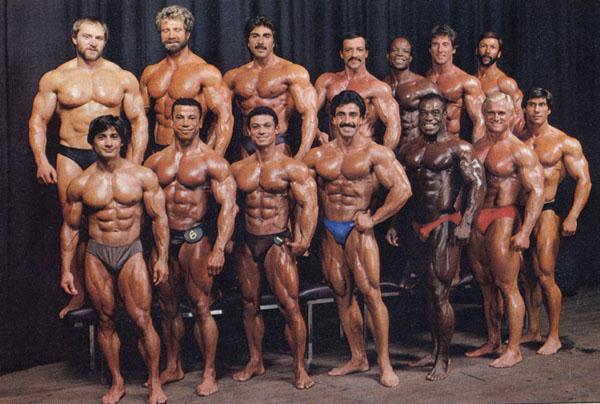
Gym – S
Time adopted: Daily for a year
Goated. Radically improves both physical and mental health. It feels great during (tonnes of endorphins), it feels great afterwards (that nice, buzzy, sore feeling), and the huge improvement curve (especially when starting out) is deeply rewarding. Find a gym in which you feel comfortable. Find a training plan that works for you. And go lift some weights.
…
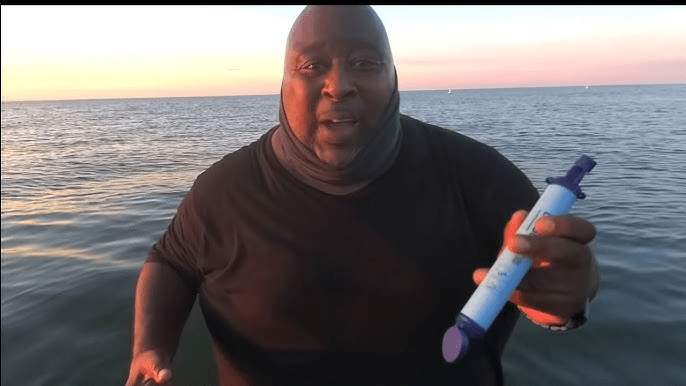
3 Litres of Water Daily – B
Time adopted: A year
Extant research says drinking lots of water benefits health and longevity. Hydration feels good and 3 litres isn’t difficult to do if you always have a water bottle on you. The positive feelings derived from hydration (clarity, energy) makes the increased bathroom breaks worthwhile, and 3 litres isn’t difficult with a water bottle always at hand.
…
Cold Showers – C
Time adopted: A year, almost every morning
The wellness sphere’s favourite form of voluntary discomfort. Yes, I’d agree that it is invigorating. Yes, I’d agree that it builds discipline. And yes, I’d agree it’s a powerful way to start the day. But has it radically transformed my existence? No. I’d say it is worth doing, but don’t expect miracles.
…
Hot Baths – B
Time adopted: Two months, every night
Hot and cold therapy are the wellness guru’s ambrosia and nectar. Saunas allegedly provide myriad health benefits – a drum the Swedes have been banging for centuries – but the room I rented for the past two months was, unsurprisingly, not equipped with one.
Instead, I elected to run myself a very hot bath, everyday after returning from work. Hot baths are dope. Stick on an audiobook or a podcast, light a couple of candles, sink underneath some bubbles, and sweat it out. Again, not life changing, but a very pleasant addition to any day.
…
No Phone Before bed – A
Time adopted: A year, but with mixed success
Phones are the bane of modern existence. Indispensably practical, but net-negative for well-being. Much is made of blue light before bed. I can’t personally speak for or against this, but I’ve found that ending days with books rather than screens consistently improves sleep quality and mental state. Give your brain a break and let it wind down. Your doomscrolling can wait until morning.

…
Disciplined Caffeine Consumption – A
Time adopted: A year
No caffeine for the first hour after waking (let your brain and body come online naturally), no coffee after midday, and no caffeine whatsoever post-4pm. The benefits have been clear: fewer afternoon energy crashes, easier sleep onset, and better sleep quality. It’s remarkable how much better caffeine serves us when we stop abusing it.
…
Climb a Tree – A
Time adopted: Three weeks last summer
Climbing trees is fun. Creativity in movement and connection with nature, underscored by the freedom by which childhood is flavoured. The world looks different from between branches, and it is a perspective shift we would all benefit from. Go climb a tree.

…
Learning French – A
Time adopted: Daily, eight months
At university this year I took a beginner’s French module, which granted my three hours weekly with a phenomenal teacher (thank you, Anna) on a very well curated course. Enormously intellectually stimulating. Deeply gratifying. And amazing as to how quickly one can pick up a previously alien language.
This summer, whilst hiking the Alp’s Tour du Mont Blanc and Corsica GR20, I was able to converse fully in (broken) French with the people I met along the way. What a joy that was. Grade deducted because using apps to learn a language is just not the same – S for French in a classroom with a great teacher; B for French on Duolingo.
…
Meditation – S
Time adopted: Regular (almost) daily practice, four years
A series of techniques centred on understanding the self, awareness, and consciousness itself. Regularly practicing meditation has made me more patient, present, grateful and compassionate, and doing so has genuinely transformed my life. Check out Sam Harris’ Waking Up app if you’re looking for an introduction.
…
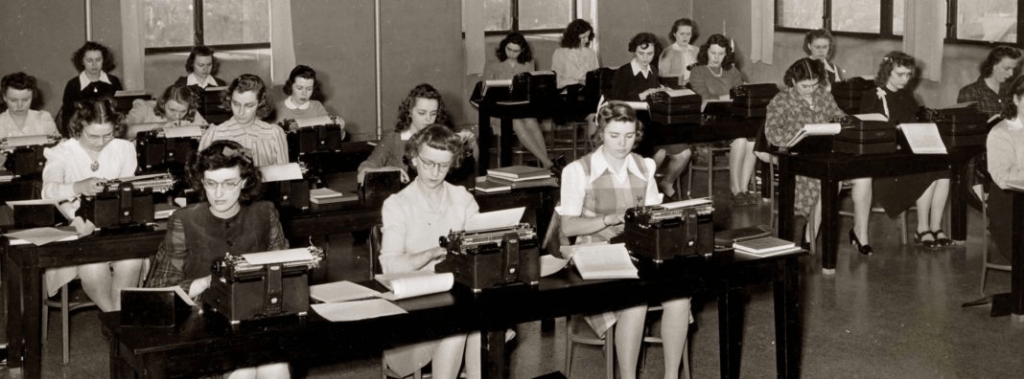
Touch Typing – C
Time adopted: A couple times weekly, eight months
I resolved to learn a skill and work at it every day. It was fun, my typing speed more than doubled, and it’s nice to get consistently better at something. This has been a phenomenal (and free!) resource. Unsurprisingly, touch typing hasn’t improved my life all that much. But sometimes its enough to just get better at hitting the right keys in order.
…
Reading – S
Time adopted: Years
To see the world through another’s eyes; to feast on the fruits of another’s intellectual toil; to escape into a wild unbeknown. Books are where truth, meaning and comfort reside. There’s a functionally infinite number of good books to read, and we will all die having read only a fraction of them. Let this motivate rather than discourage. Get reading, I say!
…
No Pornography – S
Time adopted: A year, with varying success
As a man who has grown up alongside the internet, I say with certitude that instantly accessible porn is hugely degrading. Of one’s mind, of sex, of desire, of love, and of respect (for oneself and for others). It is neither freeing nor empowering, neither natural nor healthy. Break the habit, and I promise you’ll be better off for it.
…
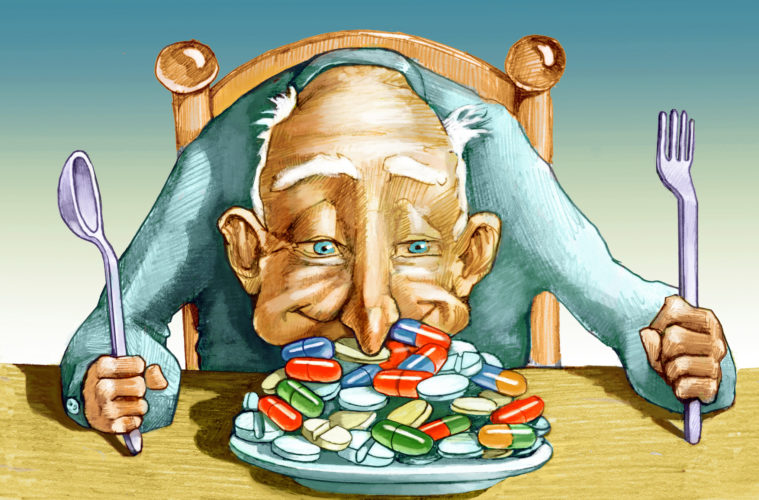
Supplements – B
Time adopted: A year
Supplements is a funny one. I feel that the industry exists in a liminal space between scientific evidence and wishful thinking. For the past year I’ve been taking creatine (immensely well researched and has noticeably supported personal strength gains) and vitamin B12 (a seemingly prudent supplementation for vegans). For Christmas, one of my brothers gave me a supply of magnesium, zinc, ashwagandha, vitamin D, creatine and electrolytes. We’ll see whether these create any changes in subjective experience. Perhaps, best conceptualised as long-term health insurance with uncertain returns.
…
Watch a Film Each Day – B
Time adopted: A year, when I found the time
The two-hour commitment of a film feels increasingly daunting in our age of fractured attention. Making it a daily goal to watch a film results in me watching more films and I love films. Thumbs up for this practice, therefore.
Last year I got a subscription to Mubi (so many phenomenal films) and recently I’ve signed up for BFI Player (less selection, but a gorgeously curated archive of cinema).
…
Yoga – A
Time adopted: Eight months, sometimes daily, sometimes weekly
Yoga is cool. Better mobility, better balance, deep states of relaxation, deeply resetting. There is boundless excellent instruction available on YouTube, but maintaining a consistent practice can be challenging. Not quite as transformative as meditation or strength training, but an excellent addition to any routine.
…
Sobriety – A
Time practiced: Three months
The UK’s drinking culture runs deep, but alcohol’s drawbacks increasingly outweigh its benefits. Hangovers represent a profoundly shit way to spend a day. Sleep quality after drinking is appalling. I am yet to meet someone who is a better version of themselves when drunk. And for 18–49-year-olds, alcohol misuse remains the biggest risk factor for death, ill-health and disability.
Drinking is normalised and encouraged. It is used when celebrating, when commiserating, when meeting with friends, and when marking (seemingly) any occasion. While I’ve enjoyed occasional drinks since my three-month break, the experience reinforced that alcohol needn’t be a social necessity. Alcohol is a drug like any other: it is not in itself evil, but it’s use, and misuse, can pose a threat to welfare. For those fortunate enough to not suffer from alcohol addiction, moderate consumption is fine—but we should question its cultural dominance and normalized excess.

~~~
There is something silly about the self-improvement mindset. The idea that all these minor changes will open a door, through which waits a fully enlightened version of ourselves. It embodies humanity’s Sisyphean effort to reshuffle the fundamental facts of our impermanent existence.
But there is something I like about it too. We are capable of change and improvement. Whilst perhaps not revolutionary, certain habits, tweaks and practices can clear a path to greater well-being. Learning a new language trumps compulsive lying; daily meditation probably beats daily crack cocaine. Without question, the days on which I practise these practices are qualitatively better – more peaceful, more grounded, more content.
I must acknowledge confirmation and selection bias here: having chosen these practices from the litany available, I am evidently predisposed to believe in their efficacy, and likely to validate that belief having invested significant time in them. Moreover, the days when I have the time and presence of mind to engage in these practices are often better ones to begin with.
But evidently, as seen when looking at the distribution curve of my ratings, I deem the majority of these practices to have a meaningful positive impact upon my subjective experience. I am of little doubt that these practices, taken together, would improve almost anyone’s quality of life. The point, though, is to find habits that resonate with how you imagine yourself improving.
As the New Year approaches with its customary flood of resolutions, I’d like to offer a different approach: Rather than picking one resolution, choose five or six different habit-based goals. Find yourself a notebook. Along the top margin of a page, write the days of the week. Down the side margin, list your chosen habits. Then, at the end of each day, simply tick off what you’ve accomplished.
The benefits are manifold. In selecting multiple habits, you insulate yourself against the feeling of total failure – when not meeting one goal, you can still achieve five others. You retain a clear visual reminder of today’s gaps and tomorrows priorities – (six days since you went to the gym? No meditation since Sunday?!). And there is a satisfaction – and motivation – found in the ticking off each habit.
~~~
The move from 2024 to 2025 means in actuality very little. The earth has returned to a point that it was in 365 days ago, as it does everyday. Neither the weather nor the tides will shift anymore than they did the night prior. But the change of the year is one of the most symbolically resonant periods of change, and of rebirth, in our culture.
As the countdown culminates, and the fireworks detonate, take a moment to consider the kind of person you would like to become. Begin gradual, start slow, and adopt the habits of the person you want to be. The clock is already ticking.


 The Eye of an Archer
Leave a comment